SkyVest Renewables
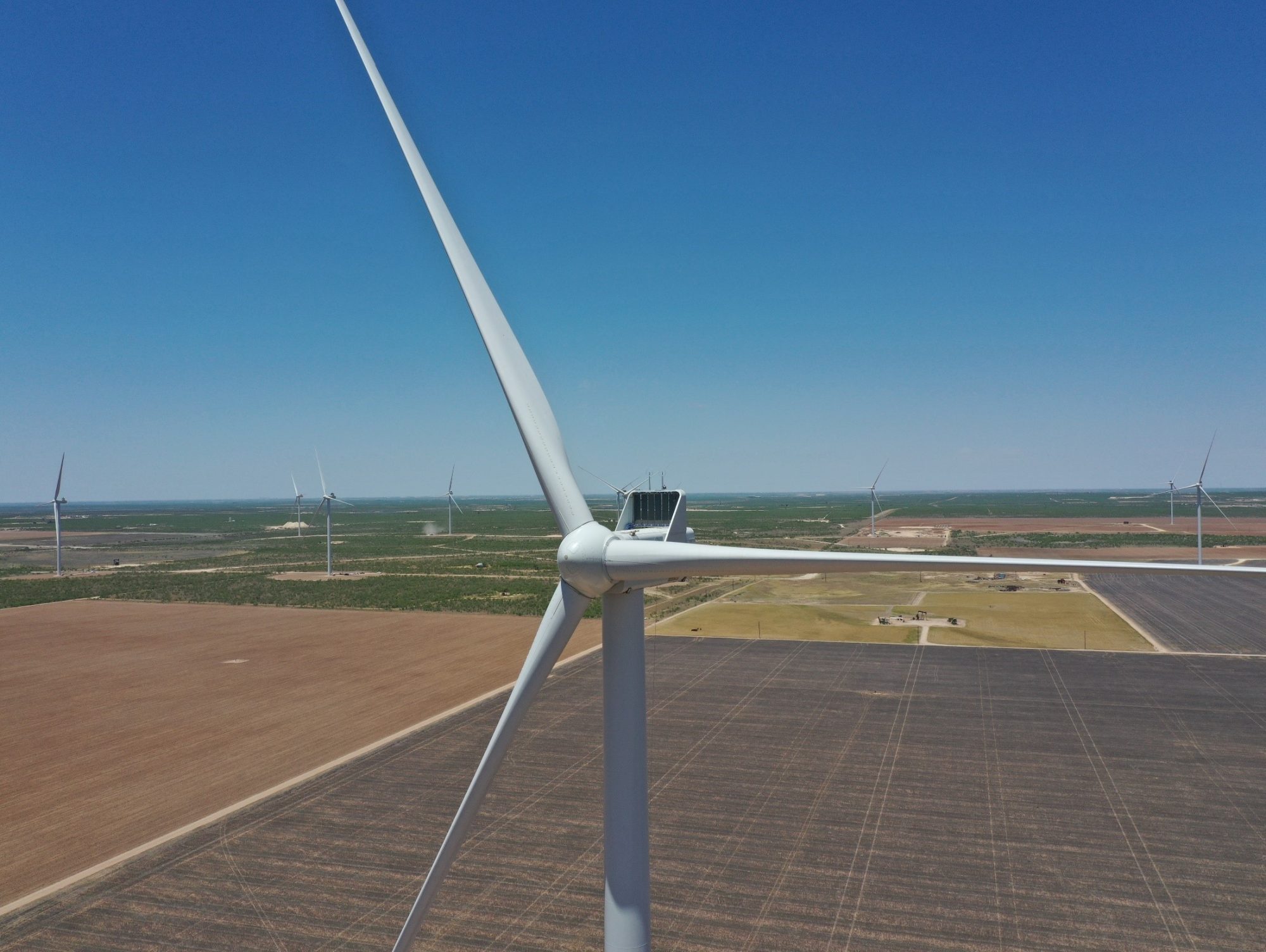
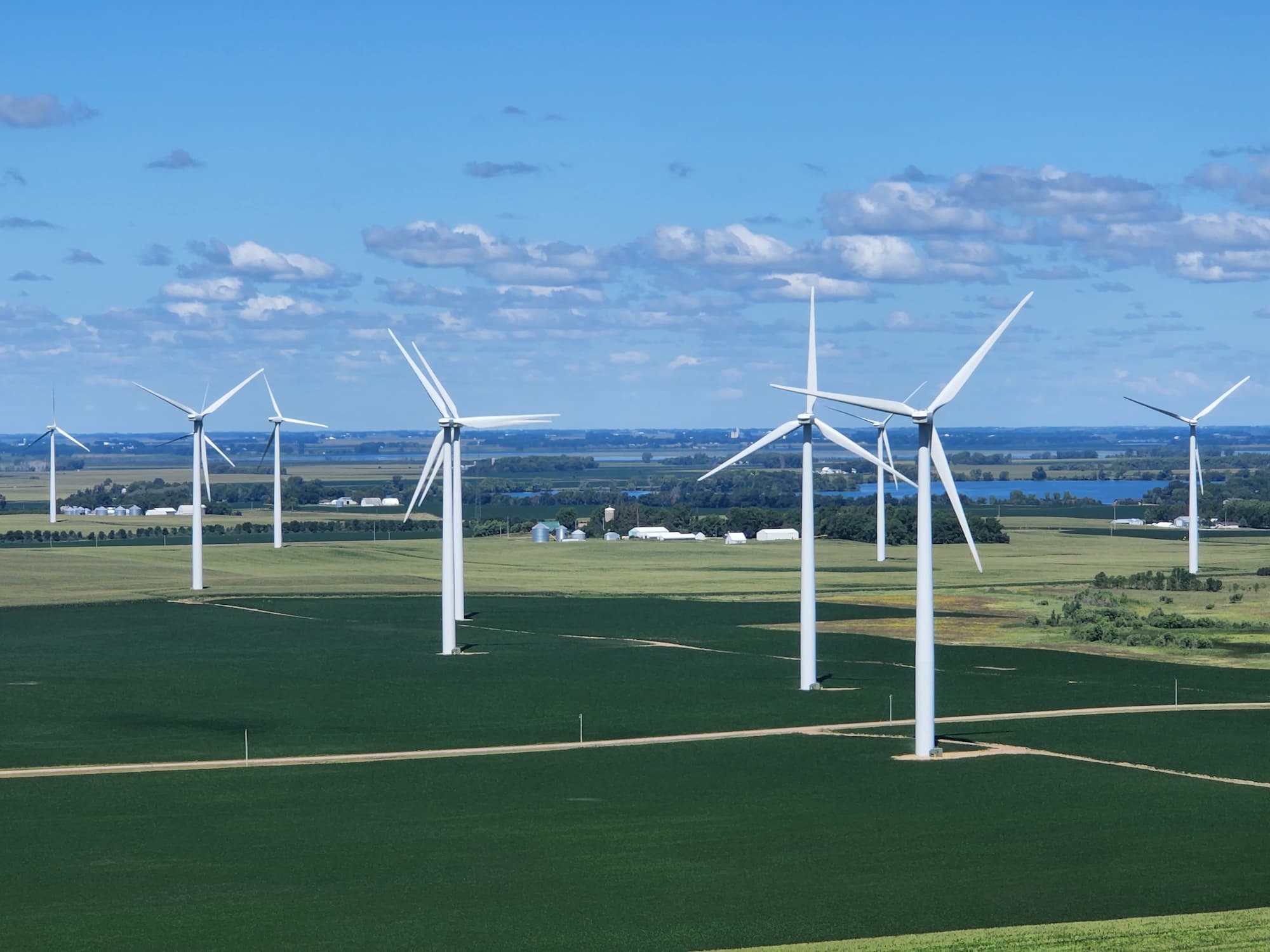
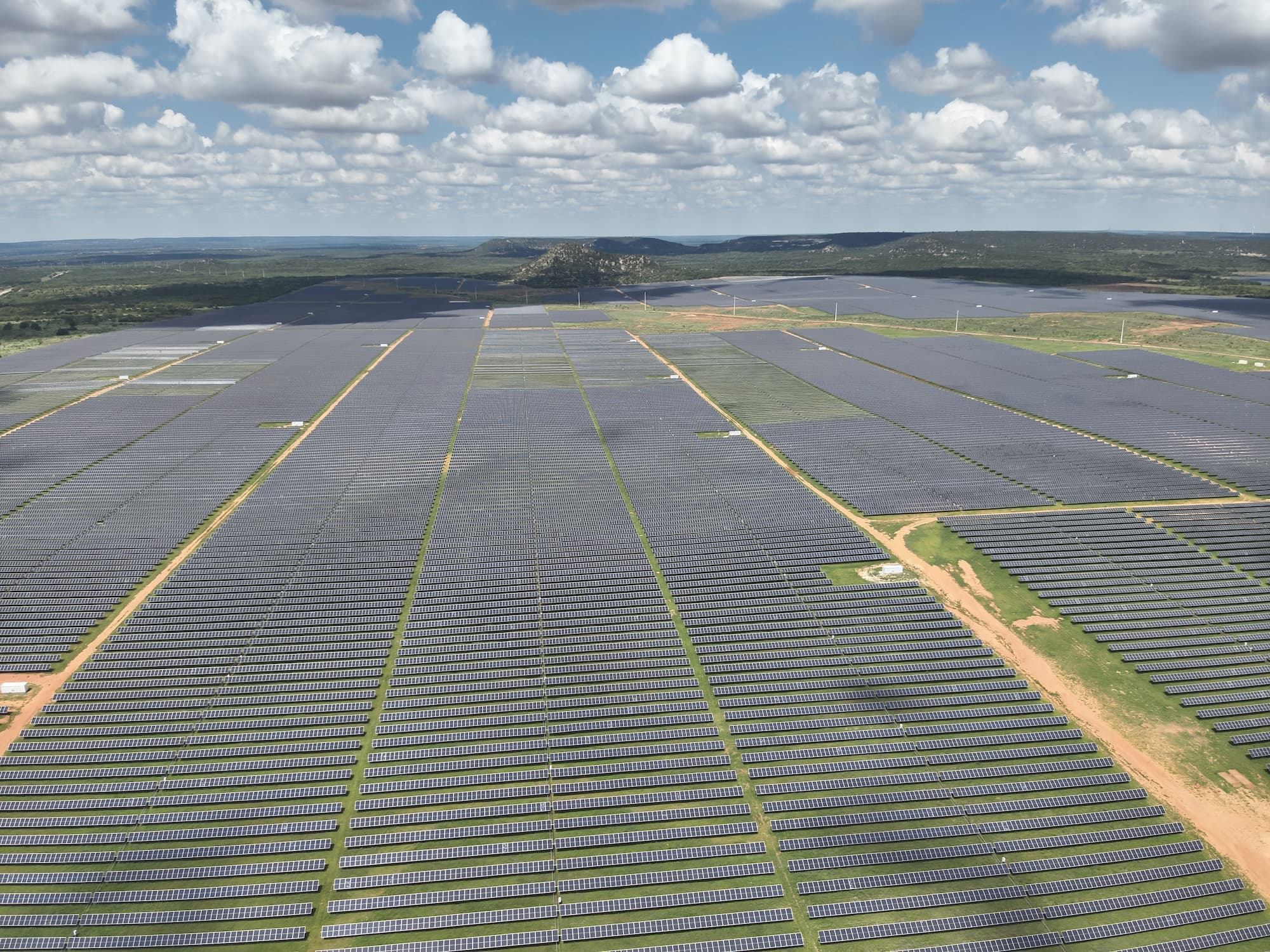
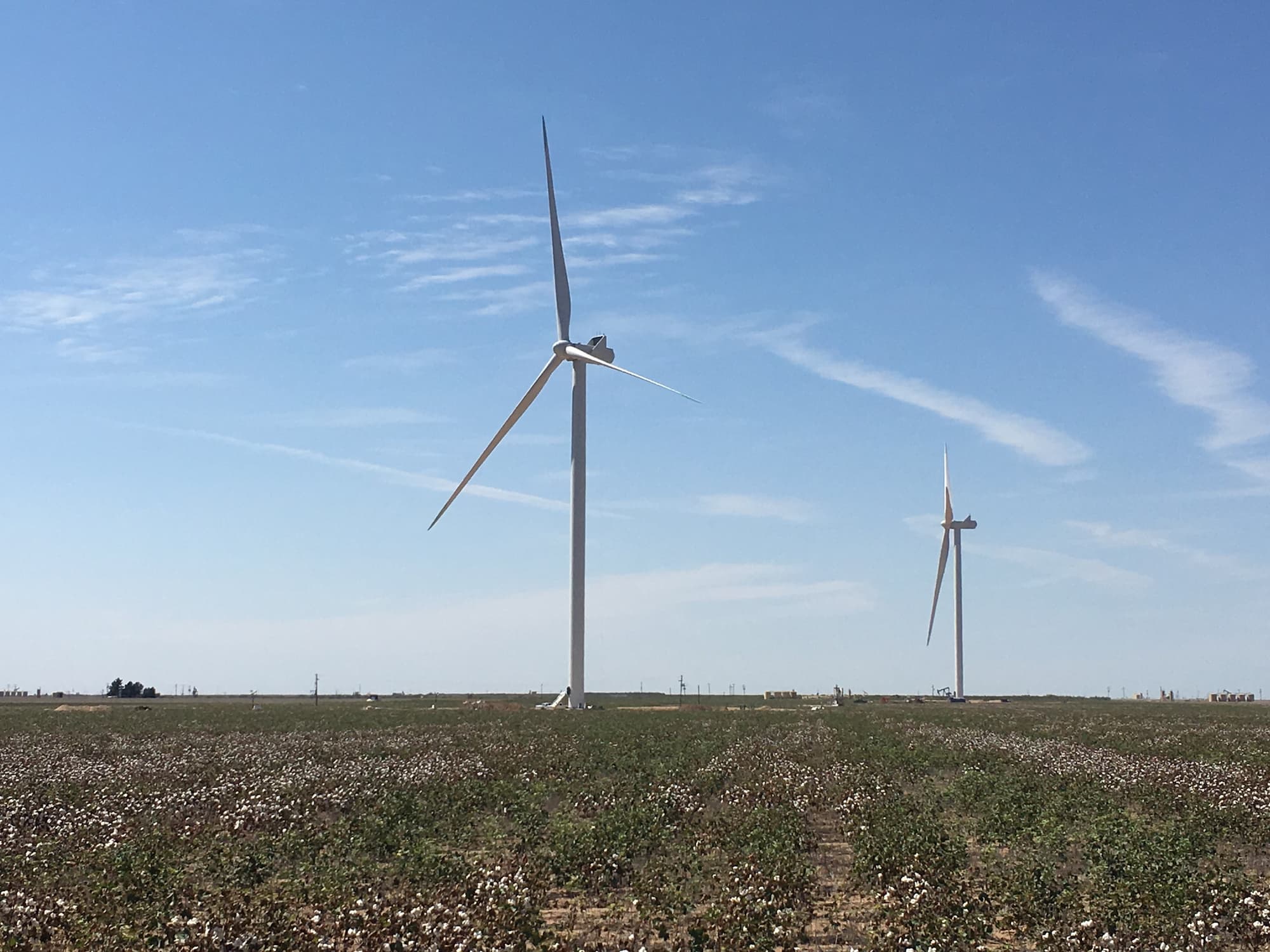
SkyVest is a renewable power generation platform backed by ArcLight Capital Partners (“ArcLight”). Through affiliates of ArcLight, SkyVest acquires, operates and optimizes operating utility-scale wind, solar and BESS assets throughout the U.S. SkyVest strives to maximize the potential of its assets and create enduring value for its customers, communities, employees and investors. ArcLight formed SkyVest with the vision of building a leading, multi-billion-dollar platform for its renewable investments, similar to its Alpha Generation platform for thermal generation assets. Since its launch in July 2024, SkyVest has grown its asset portfolio to nearly 1 GW, comprised of wind and solar assets in PJM, ERCOT, CAISO and MISO.
About ArcLight Capital Partners
ArcLight is a leading private equity firm focused on energy and infrastructure, founded in 2001. With deep sector expertise, ArcLight has invested in more than 65 gigawatts of power generation and over 47,000 miles of transmission and distribution infrastructure, representing approximately $80 billion in total enterprise value. The firm is known for its operationally driven investment approach and maintains a large internal team alongside a network of over 2,000 asset management professionals. ArcLight has a strong track record in renewables and energy transition assets, including solar, battery storage, hydroelectric, and natural gas infrastructure.
About This Position
SkyVest is seeking a hands-on technology leader to build, secure, and operate the enterprise technology ecosystem for a rapidly growing renewable energy company. This role owns the organization’s technology strategy and the design, implementation, and lifecycle management of cloud infrastructure, enterprise networking and systems, corporate cybersecurity, and artificial intelligence initiatives. The role also serves as the technology partner to business functions — operations, asset management, and corporate — delivering solutions that improve operational performance, asset reliability, regulatory compliance, and financial reporting.
This position is ideal for a technology builder who has created enterprise technology environments from the ground up and has the operational expertise to mature them over time.
Key Responsibilities
Enterprise Technology Strategy
- Develop and execute the enterprise technology vision and multi-year technology roadmap, including governance, standards, and best practices.
- Align technology investments with corporate growth objectives and digital transformation initiatives, partnering with executive leadership to identify opportunities that improve operational performance and business value.
- Evaluate and implement emerging technologies and develop technology budgets and enterprise governance.
Cloud Infrastructure, Platform Engineering & DevOps
- Architect, build, and operate secure, highly available, resilient cloud environments using Microsoft Azure and Amazon Web Services (AWS).
- Implement Infrastructure as Code (Terraform, Bicep, CloudFormation, or similar), configuration management, containerization, orchestration, and automation for provisioning and lifecycle management.
- Design and manage CI/CD pipelines and DevSecOps practices for secure, automated delivery of infrastructure and applications.
- Design and administer enterprise infrastructure across cloud and hybrid environments, including Windows Server, Linux, virtualization, storage, Microsoft 365, endpoint management, and identity services (Microsoft Entra ID / Active Directory).
- Architect, implement, and operate enterprise networking — LAN, WAN, SD-WAN, VPN, wireless, internet connectivity, and remote access — including secure connectivity for corporate offices, renewable energy facilities, substations, and remote field operations.
- Implement Zero Trust networking and network segmentation.
Enterprise Applications & Integration
- Own the enterprise application portfolio supporting corporate and operational business functions, prioritizing configurable commercial platforms over custom development.
- Establish application lifecycle management and secure configuration standards.
- Oversee system integrations, APIs, and data flows between enterprise platforms — including ERP, GIS, SCADA, CRM, financial systems, asset management platforms, data platforms, and cloud services — whether delivered by vendors, implementation partners, or internal resources.
Artificial Intelligence & Automation
- Define and execute the enterprise AI strategy, evaluating and implementing Generative AI, machine learning, predictive analytics, and intelligent automation solutions.
- Develop AI governance, security, and responsible AI standards, and integrate AI capabilities into enterprise workflows and business applications.
- Identify automation opportunities that improve operational efficiency across engineering, finance, operations, asset management, customer operations, and executive reporting, ensuring compliance, data protection, and cybersecurity throughout adoption.
Corporate Cybersecurity & OT Security Governance
- Lead the enterprise cybersecurity program across corporate IT — security architecture; identity and privileged access management (IAM/PAM/SSO and MFA); endpoint and cloud security; SIEM/SOAR-based monitoring, threat detection, and incident response; vulnerability management; data loss prevention; Zero Trust architecture; and security compliance and governance.
- Set security governance and standards for Operational Technology (OT) in partnership with OT and plant engineering, including SCADA, Industrial Control Systems (ICS), industrial networking, and renewable generation assets (solar, wind, BESS, substations, and field operations).
- Design secure IT/OT network segmentation and develop cybersecurity programs aligned with NIST CSF, IEC 62443, NERC CIP (where applicable), and CIS Controls.
Technology Operations & Lifecycle Management
- Own the operational health, stability, and performance of all enterprise technology platforms after implementation, including proactive monitoring, patch management, capacity planning, and disaster recovery across infrastructure, applications, cloud, cybersecurity, and AI solutions.
- Develop lifecycle management strategies and oversee upgrades, migrations, modernization, and end-of-life replacement planning.
- Maintain enterprise documentation, architecture diagrams, operational runbooks, and technical standards.
Leadership & Operational Excellence
- Build, mentor, and lead high-performing engineering and technology teams.
- Manage strategic technology vendors and managed service providers, and establish KPIs, SLOs, and operational metrics.
- Foster a culture of innovation, continuous improvement, automation, and technical excellence.
Required Background
- Bachelor’s degree in Computer Science, Information Technology, Engineering, Cybersecurity, or related discipline; Master’s degree preferred.
- 12+ years of progressive experience leading enterprise technology teams and functions, with demonstrated experience building enterprise technology environments from the ground up.
- Proven experience leading cloud infrastructure, networking, systems administration, and cybersecurity functions, including extensive experience designing and operating enterprise cloud environments (Azure, AWS, or GCP), Infrastructure as Code, CI/CD, and automation.
- Strong enterprise cybersecurity experience across IAM/PAM, SIEM, EDR, Zero Trust, cloud security, incident response, and security governance.
- Experience defining and delivering enterprise AI or intelligent automation initiatives.
- Strong executive communication, stakeholder management, budgeting, and strategic planning skills.
Qualifications and Skills
- Experience within a renewable energy, utility, or energy infrastructure organization, including familiarity with development, engineering, construction, operations, and asset management functions.
- Experience supporting Operational Technology (OT), SCADA, Industrial Control Systems (ICS), or critical infrastructure, including solar, wind, battery energy storage systems (BESS), substations, and energy management systems (EMS).
- Experience implementing enterprise AI platforms such as Microsoft Copilot or OpenAI services, and machine learning solutions.
- Experience with Kubernetes, containers, microservices, API management, and cloud-native application architectures.
Physical and Sensory Requirements
- Mostly sedentary work; using standard office equipment including a computer, keyboard, and telephone.
- Position is based in either Houston, TX or Newtown, PA.
- Position requires some travel to other SkyVest and ArcLight offices, as well as to generation assets.